
Blog · 16 September 2026
The Olympian's Operating System: Anna Hemmings' Five-Part Method for Performing When It Counts
Six-time world champion Anna Hemmings breaks down her method for pressure: process over outcome, controlling the controllables, visualisation and recovery.
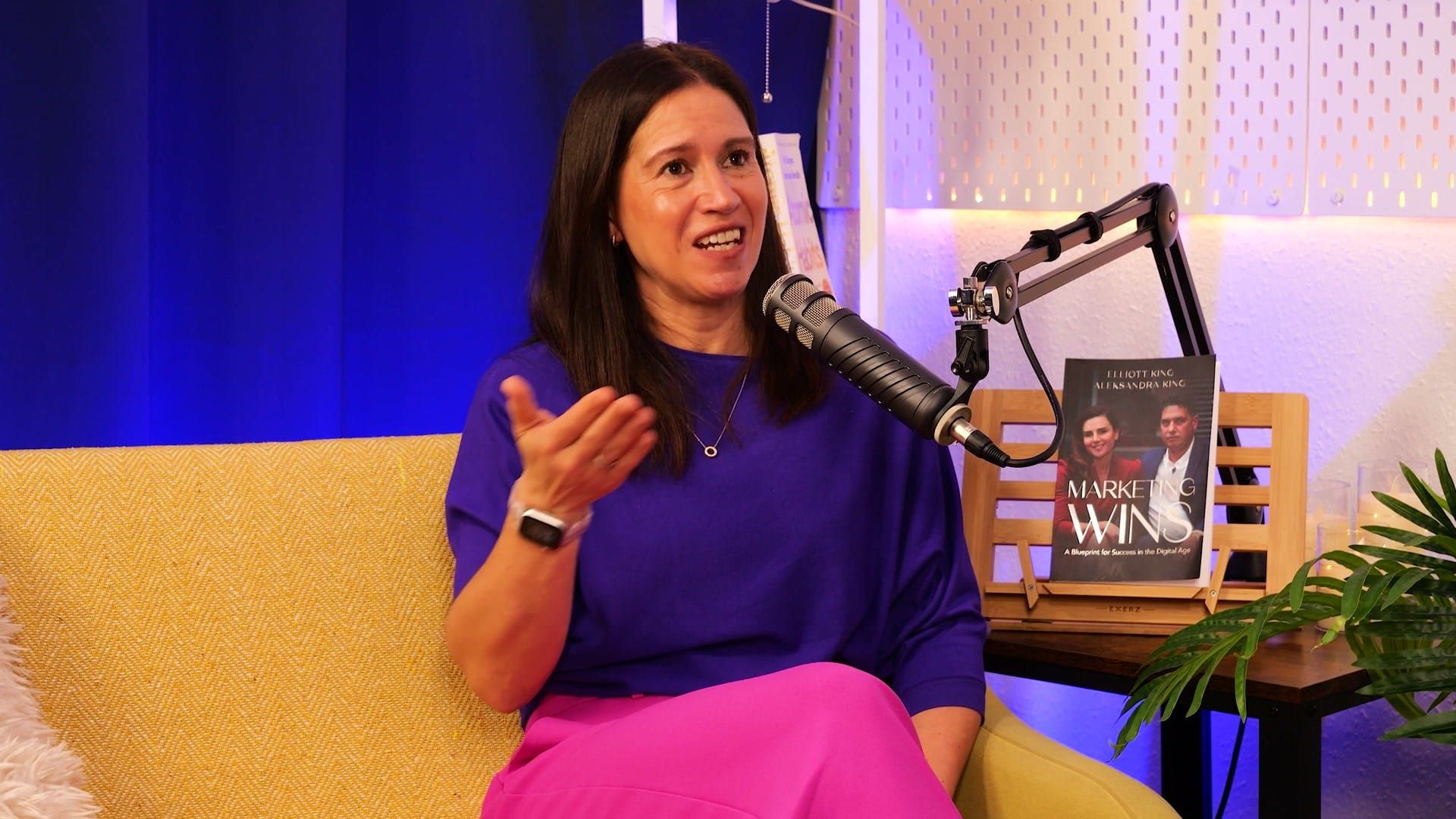
Talent is the entry fee, not the prize. On the start line of a World Championships every competitor has trained hard and every one of them is gifted, which means the thing that decides the medal is not in anyone's arms. Most businesses run on the opposite assumption: hire the talent, work it hard, and hope the pressure sorts itself out. Anna Hemmings spent fifteen years proving that the pressure is the part you train.
On this episode of The BEYOND Podcast, Aleksandra King asks Anna Hemmings MBE, six-time world champion marathon kayaker, two-time Olympian and founder of the high-performance consultancy Beyond the Barriers, to open up the method she now teaches leaders and teams. What emerges is not motivation. It is a repeatable system with five moving parts, and every one of them transfers from the water to a pitch, a board meeting or a difficult conversation.
Part One: The Outcome Is Not Your Job
Hemmings learned from a sports psychologist at sixteen that fear has an address, and it is the result. "That's the thing that causes the biggest fear," she tells Aleksandra: what if I lose, what if it doesn't work out. Her three objections to outcome-thinking are the spine of the whole method. The outcome is out of your control; thinking about it makes you anxious; and it fixes your attention on what you do not want. She illustrates the third with the oldest trick in psychology: tell someone not to think of a pink elephant. "If I say don't think about losing, I'm focused on losing."
The fix is not to abandon goals. You need the outcome for clarity, she says, "because we've got to be clear on where we're going". Once it is set, you move your attention entirely to the process that produces it. In a race that meant a plan and a strategy rather than "I want to win, I want to win", and then, in her words, "the outcome takes care of itself". For the unhappy employee or the founder facing a make-or-break pitch, the question is the same: what do I actually want, and what is the process that gets me there?
Part Two: Control the Controllables
Her most requested keynote idea is also her most practical. Take the company that has just ordered everyone back to the office four days a week. You can complain, and she is sympathetic, but "ultimately this is the way it is and I can't control it". What you can control is your response, your attitude, your strategy and who you reach out to for support. The cost-of-living crisis, the trains, the traffic on the way to the studio: same rule. "When we focus on the uncontrollables, it makes us feel anxious. It drains our energy," she says. Focusing on what you do control "is empowering".
Aleksandra pushes on this, because she has had an anxiety specialist on the show who argues for sitting with anxiety rather than managing it away. Hemmings' answer is the best example in the episode. Stuck in a taxi in a traffic jam on the way to the airport, you can do nothing about the traffic. "But what I can control is my breathing. That's one thing I can always control." And breathing is not a platitude: under stress the prefrontal cortex shuts down and the amygdala takes over, so slowing the nervous system is how "that prefrontal cortex comes back online and we can think more clearly and strategically again". Breathe first, then decide.
Part Three: Visualisation That Isn't Manifesting
Aleksandra admits she is a sceptic, and the internet has not helped: the Porsche influencers who promise the car if you picture it hard enough. Hemmings' version is different, and she has seen the evidence in the lab. After her sporting career she trained in neurofeedback, watching regions of the brain light up as people visualised. "The brain doesn't know the difference between a vividly imagined experience and a real-life experience," she says, and repeated rehearsal builds neural circuits as if the event had happened.
She used two kinds. Outcome visualisation, the podium, the anthem, her mum's smile, "in colour and it's in HD", for motivation. Process visualisation, every stroke of the race plan rehearsed hundreds of times, so that on the start line "I don't need to think. When I hear the gun go, my body will take over." The business application is precise. Confidence normally comes from having done a thing before, which is no help before your first big pitch. Visualisation exists, she says, "to trick your brain into believing that you've done it before, because it's seen it happen so many times". Then the caveat she insists on: "I then put in hours and hours and hours of training to make it happen." Twenty hours a week. "Vision without any action is daydreaming."
Part Four: Nobody Wins Alone
Five of Hemmings' six world titles came in a single kayak, and she is emphatic that she never got to a start line without a team: coach, training partners, family, then the Great Britain set-up of sports scientists, psychologist, physio and nutritionist, all aligned on a goal that stopped being hers and became "our goal". Aleksandra recognises her own early mistake in the story, the pride of doing everything herself, and Hemmings admits she repeated it as a founder: invoicing, sales, marketing, website, delivery, until she finally hired a PA and asked, "Why have I taken so long to do this?" Her rule for leaders is to spend your time on what you love and are good at, and delegate what drains you. "That's what teams are about."
Part Five: Recovery Is a Strategy
The section that surprised Aleksandra most is the one most executives skip. At the elite level you cannot double your training volume, Hemmings explains, so the only way to improve is to raise the intensity of each session, and you do that by recovering better: refuelling, massage, sleep. "If I want to perform better on the water, I need to recover better when I'm off the water." Her workplace translation is the paragraph you read three times because your brain is frazzled. "We think we don't have time. But actually, we're wasting time by taking three attempts at reading the paragraph because we haven't stopped." Best ideas arrive on a run or in the shower, never in the frantic middle of the day. The 2 a.m. wake-up with racing thoughts is, she says, the brain finally getting the quiet it was denied for sixteen hours.
Actionable Takeaways for Founders and Leaders
- Write the outcome down once, then work only on the process. Clarity is the goal's job; anxiety is what it does if you keep staring at it.
- Before any pressured decision, breathe, then act. Your strategic brain is offline under stress. Ninety seconds of controlled breathing is not wellness; it is getting your best thinking back.
- Put recovery in the diary as training. A ten-minute pause is cheaper than reading the same paragraph three times, and it is where the ideas you are paid for actually arrive.
Listen to the full conversation on the Aleksandra King YouTube Channel, and browse more episodes of The BEYOND Podcast– including Aleksandra's conversation with psychotherapist Joshua Fletcher on the anxiety paradox, the other side of the argument Hemmings makes here.
Get the next insight first
Follow the show and the ideas keep coming.