
Blog · 12 November 2026
“I Don't Know Who I Am”: Neil Woods on 13 Years Undercover
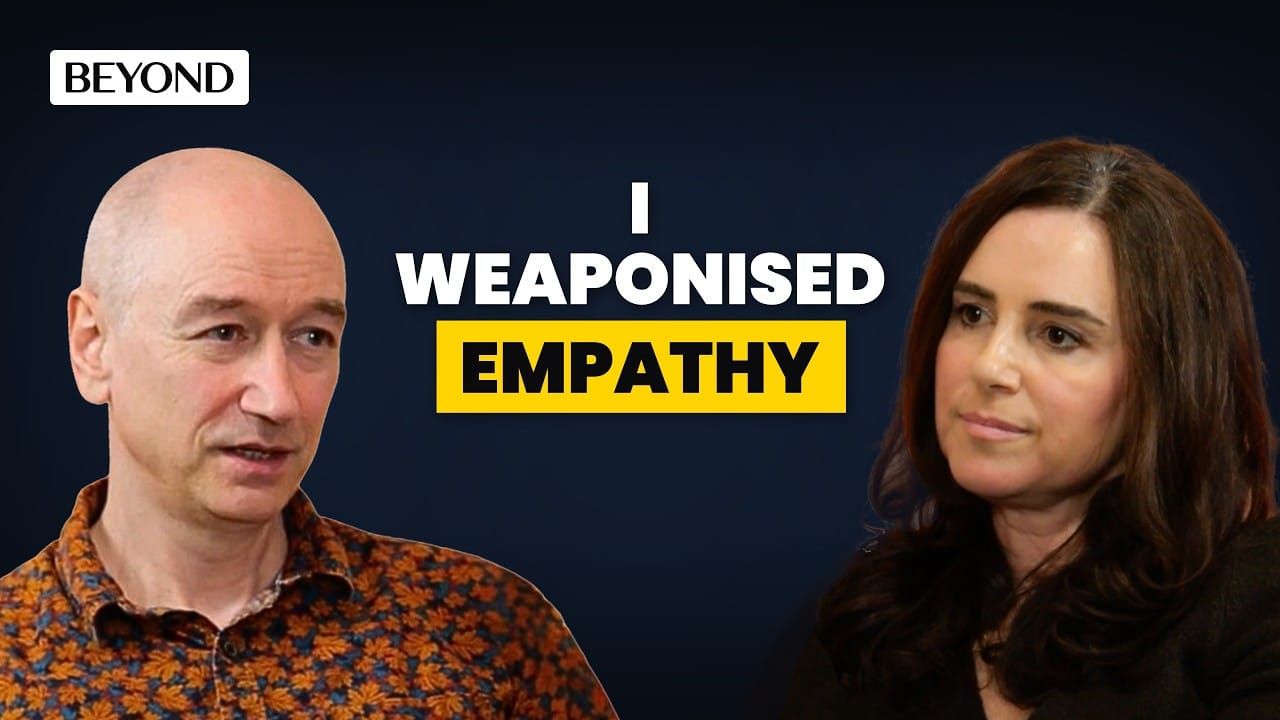
Neil Woods spent 13 years undercover in Britain's drug gangs. He tells Aleksandra King what weaponising empathy cost him. The BEYOND Podcast.
This article refers to drug addiction, childhood sexual abuse and suicidal thoughts. In the UK, Samaritans are on 116 123, free and around the clock.
The man Britain's drug squads sent into its most dangerous estates was not a hard man. He was a reader, a bad uniformed police officer and, by his own account, a 23-year-old who had never been handed a cover story. What made him one of the most used undercover operatives in the country was not nerve. It was his willingness to sit down with people nobody else would sit with, ask an honest question, and listen to the answer.
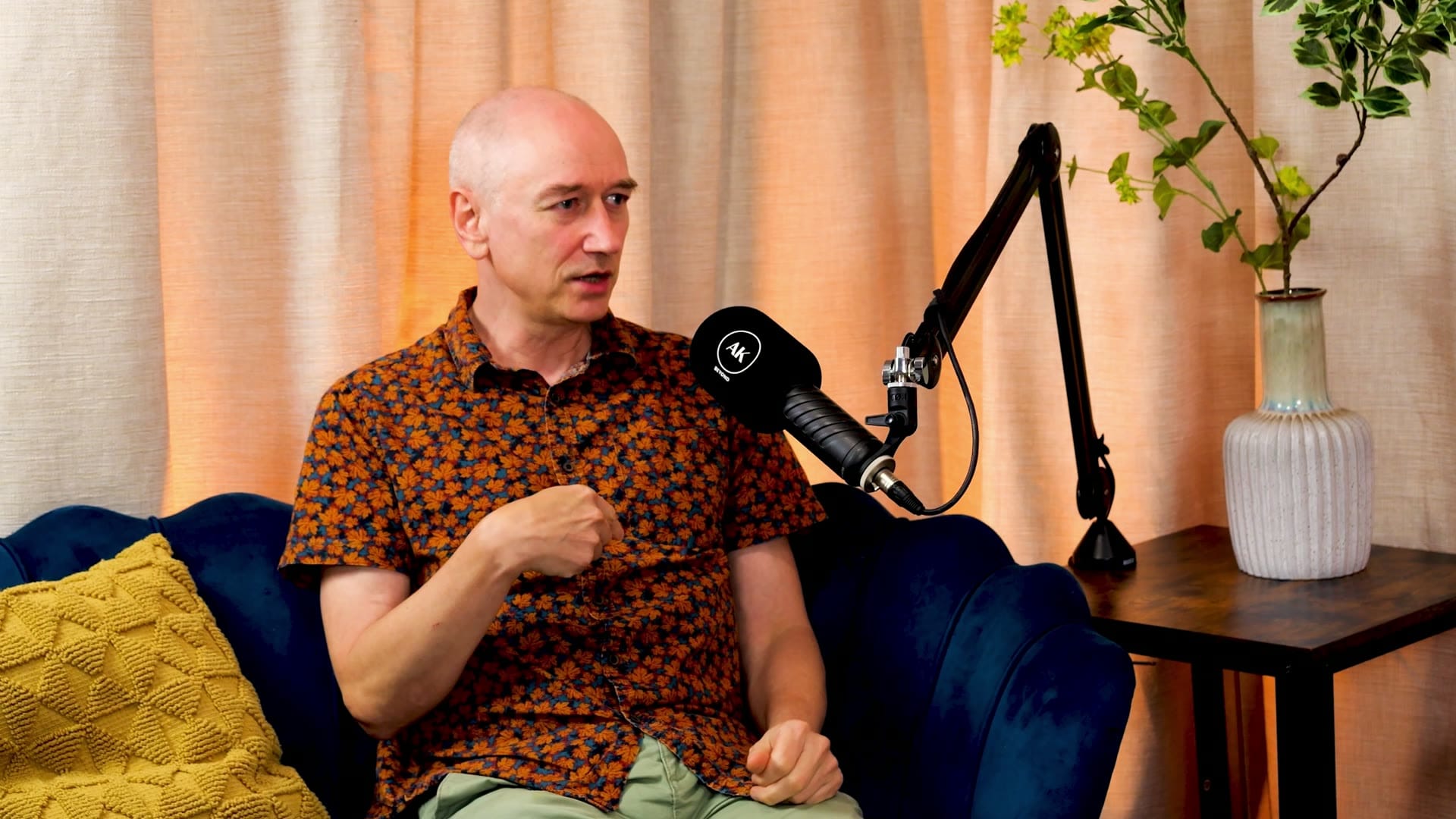
Neil Woods worked undercover on drug operations from 1993 to 2007, roughly 13 years in total, buying heroin and crack cocaine to climb from street dealers towards the people running them. He is now the chair of LEAP UK, the organisation of serving and former law enforcement professionals campaigning to end drug prohibition, and the author of Good Cop, Bad War. On The BEYOND Podcast he tells Aleksandra King what the job actually required of him, and names it plainly: he weaponised empathy, using an understanding of damaged people to manipulate them rather than to help them. You can watch the full conversation with Neil Woods here.
Neil Woods at a Glance
- Who he is: a former undercover drugs detective who retired from Derbyshire Constabulary at the rank of Detective Sergeant, now chair of LEAP UK (full guest profile).
- His background: joined the police at 19, was put undercover at 23 by an accident of politics, and worked as an undercover asset for the East Midlands Special Operations Unit.
- What he is known for: Good Cop, Bad War and Drug Wars, both written with J.S. Rafaeli, and a decade of campaigning to replace prohibition with legal regulation.
- His core idea: the violence, the child exploitation and the deaths are produced by the law itself, not by the drugs.
The £20 Note and the Door
In 1993 the government poured money into the war on drugs, chasing what Neil calls "the mother of all moral panics about crack cocaine". Forces were under pressure to show results, so they handed attachments to young officers, and one of them asked Neil whether he fancied having a go at buying some crack.
He had no training. He was given a £20 note, an observation point, a video camera and an address. When the dealer opened the door and demanded to know who he was, Neil had not thought to invent a cover story, because nobody had told him he needed one. "And I'm looking at him thinking, I don't know who I am," he tells Aleksandra. He said he was a student, which was the worst available answer, because the dealer had just finished explaining how much he hated students. It worked anyway. The man laughed, sold him a paper twist of crack, and told him to take care and not get himself arrested.
Neil is careful about why that was easy. "He wasn't expecting a cop on his doorstep, because we didn't use those tactics then." Once that dealer went to prison everybody knew the police had a new tactic, and it never got easier again.
The Skill He Did Not Expect to Have
Neil describes himself, without much affection, as a poor uniformed officer who struggled through his probation to prove something to himself. Undercover, he found something he was good at. Managing what he calls "that collective lie in a community" suited him, and so did adapting faster than organised crime could adapt around him.
The job was not mostly about buying drugs. It was about becoming useful. He presented as a travelling thief, traded counterfeit clothing and cheap tobacco, and built a reputation as a wheeler-dealer worth knowing, then turned that position into introductions further up the chain. "But mostly it was emotional manipulation." The architecture around him was lonely by design: his support team had to sign a lawful order never to ask his real name or where he was from, so he used the same false identity with his own colleagues that he used on the street.
Weaponising Empathy
Neil went into the work with what he calls a head full of stigma, having grown up watching Nancy Reagan tell him to just say no. To survive, he had to understand the people around him, and the only way to understand people is to listen to them.
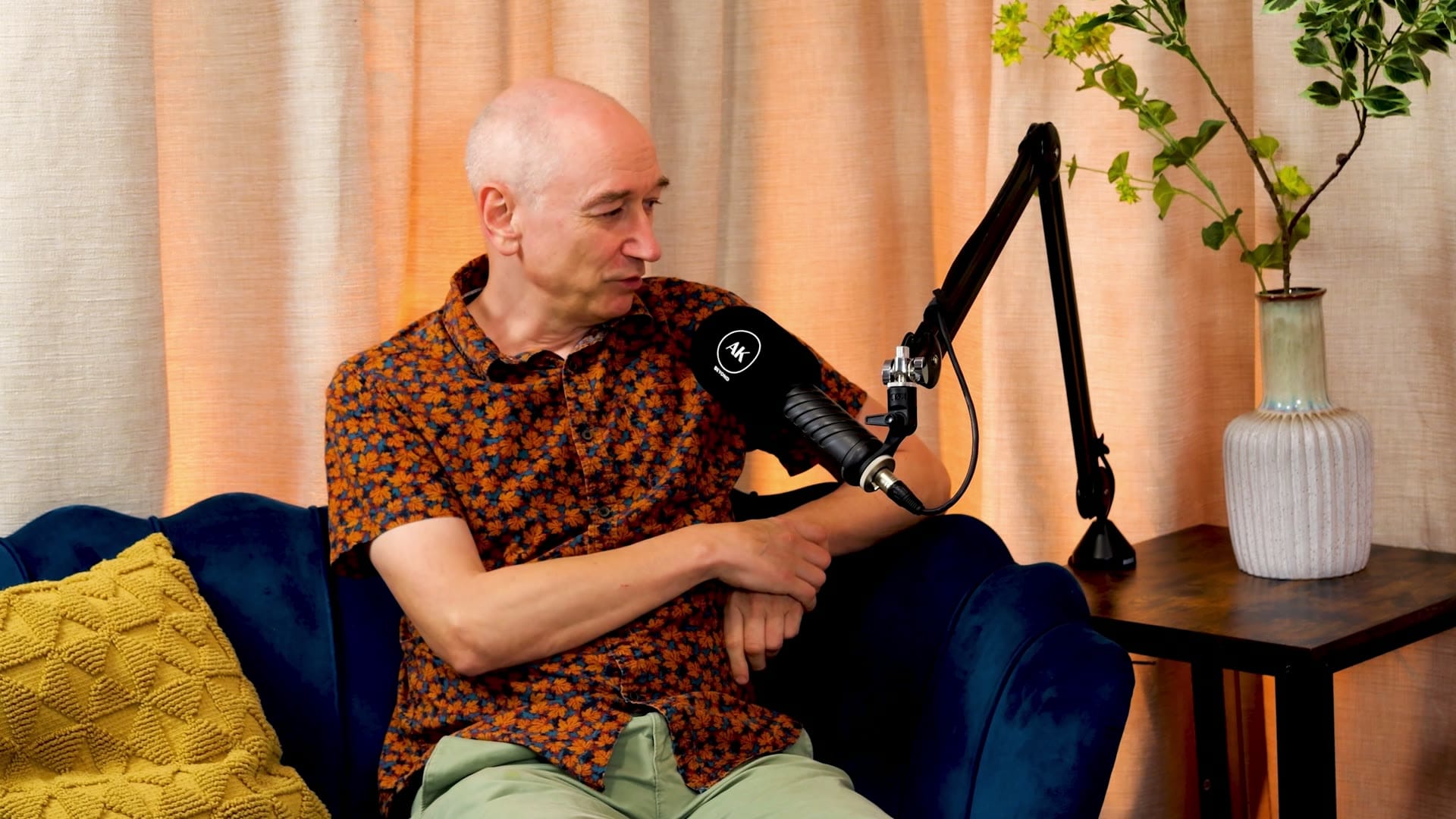
"I now refer to it as weaponising empathy," he says, "because I wasn't doing it to better care for them or figure out what they needed. I was using empathy to work out how to better manipulate them, and how to stay safe as well."
His method was a single blunt question: "What's brought you here then?" A direct question signals that you are in the same mess, and people answer a kindred spirit where they would refuse sympathy. One young woman told him she came off heroin every few weeks to bring her tolerance down, except that when she stopped she started remembering being sexually abused as a child. That, Neil says, is the story of most of the people he met, and it is the foundation of his argument about addiction: people using heroin or crack problematically are self-medicating almost entirely for childhood trauma, certainly two thirds of them. "The addiction comes from the inner emotional pain."
The Woman He Walked Past
Ask Neil about harm and he does not reach for a statistic. He goes to a street in Nottingham at half past one in the afternoon, where a young woman was calling out "sex for sale" and, as he passed her in deliberately filthy squat clothes, revised it to "cheap sex for sale". He told the team when he got back and everyone laughed, as audiences have laughed every time he has told it since.
Then he explains why he tells it. He cannot remember the face of the dealer he was walking to meet, because there were hundreds of them. "But I can close my eyes and I can see her face clearly." She looked about 21, and she was holding a can of Special Brew to hold off the heroin withdrawal that had put her on that street. "And I represented the resources of the state. And I walked right past her."
Moral Injury, the Grim Brother of PTSD
Neil is diagnosed with complex PTSD from the near-death experiences, and there were many: a samurai sword at his throat, a robbery at knifepoint minutes later, a car driven at him down a Leicester pavement after one of his targets found the camera hidden in his jacket button. The injury he talks about more carefully is the other one. "I also have moral injury, which is the grim brother of PTSD," he says, because he knew he was harming vulnerable people and did it anyway. "I've behaved outside my moral centre, outside my ethical centre."
Aleksandra refuses to let that stand, twice. Intentions matter, she tells him, and he was a 23-year-old sent to do something he believed was right. He agrees with every word of her reasoning and tells her it changes nothing: "the brain isn't rational", and he has had suicidal ideation while being perfectly able to rationalise his way out of it. He had already stopped undercover work once, after a man he had manipulated became suicidal "because he thought I was his one friend in the world".
Seven Months. Two Hours.
The operation that ended his belief in the work was against a Birmingham gang, the Burger Bar Boys. He had not wanted it and was talked into it by somebody who knew which argument would land. It was the largest job he ever ran, seven months long, and he came out with evidence against the six targets and more than 90 other people. He remembers thinking it would sweep the town clean.
The intelligence officer attached to his team was tasked with measuring the impact. "We managed to interrupt the drug supply for a full 2 hours."
Worse than futile, Neil argues, because violence in the area went up afterwards, and he notes that the United Nations World Drug Report has since concluded that police operations more likely increase violence than reduce it. "We just need to find the political courage to act on that evidence." His full case for what should replace prohibition is set out in Neil Woods on why the drug war failed.
Asked how he is now, he says this year is the best he has been in probably 17 years, and that he writes and speaks because the knowledge cost him something and he feels a duty to share it.
Frequently Asked Questions
Who is Neil Woods? Neil Woods is a former undercover drugs detective who served with Derbyshire Constabulary and retired at the rank of Detective Sergeant. He worked undercover on drug operations from 1993 to 2007, about 13 years, infiltrating heroin and crack cocaine markets in cities including Nottingham and Leicester. He now chairs LEAP UK and campaigns for drug law reform.
How did Neil Woods infiltrate drug gangs? He made himself useful and then made himself trusted. He dressed and behaved as a travelling thief, traded stolen and counterfeit goods to build a reputation, and befriended the user-dealers he describes as the foot soldiers of organised crime. From there he manipulated those friendships into introductions further up the chain. As he puts it, "mostly it was emotional manipulation".
What does Neil Woods believe about drug policy? He argues that prohibition is the cause of the harms it claims to prevent. Because the trade is unregulated, gangsters decide who buys, at what strength and at what age, which is why he says children can get illicit drugs more easily than tobacco or alcohol. He wants drugs legally regulated drug by drug, with heroin prescribed to people who are dependent on it, and he is blunt that he wants access made "incredibly difficult", not easy.
Actionable Takeaways for Leaders and Operators
- Decide who you are before someone asks. Neil was sent to a dealer's door with no cover story and froze on the simplest question there is. Work out what you are and what you want before you walk into the room where it gets tested.
- Notice when a skill is being used against its purpose. Empathy made Neil effective and left him with moral injury, because the technique was pointed away from care. The tool is never the ethics.
- Check whether the system is producing the problem it is fighting. Neil's case is that the violence is downstream of the law. Before you double resources on a failing effort, test whether the effort itself is generating the harm.
Listen to the full conversation with Neil Woods on the Aleksandra King YouTube channel, or on the episode page. For the other side of what police work costs, hear Aleksandra with Derrick McManus, the special operations officer who was shot 14 times.
Get the next insight first
Follow the show and the ideas keep coming.