
Blog · 12 October 2026
“Can You Imagine 30 Days' Silence in Your Head?” How Sue Stockdale Skied to the Magnetic North Pole One Small Step at a Time
How Sue Stockdale answered a newspaper advert and became the first British woman to ski to the Magnetic North Pole. On The BEYOND Podcast.

Most people imagine that the hardest part of skiing to the Magnetic North Pole is the cold. Sue Stockdale would tell you it is the conversation you have with yourself when nobody else can hear you. For 30 days in 1996 she skied up to 12 hours a day in near-total silence, and what she learned out there about her own thinking has shaped everything she has done since.
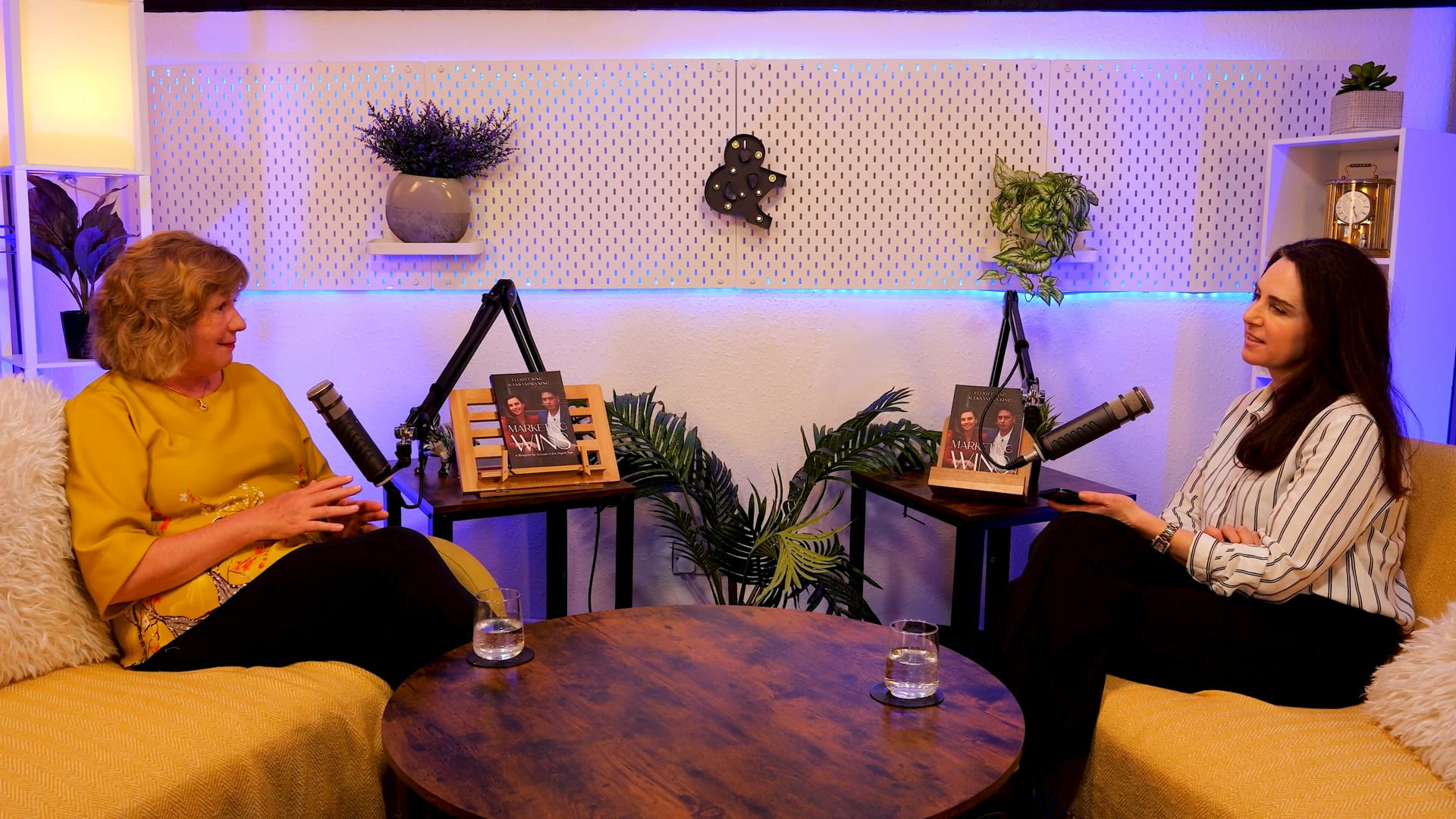
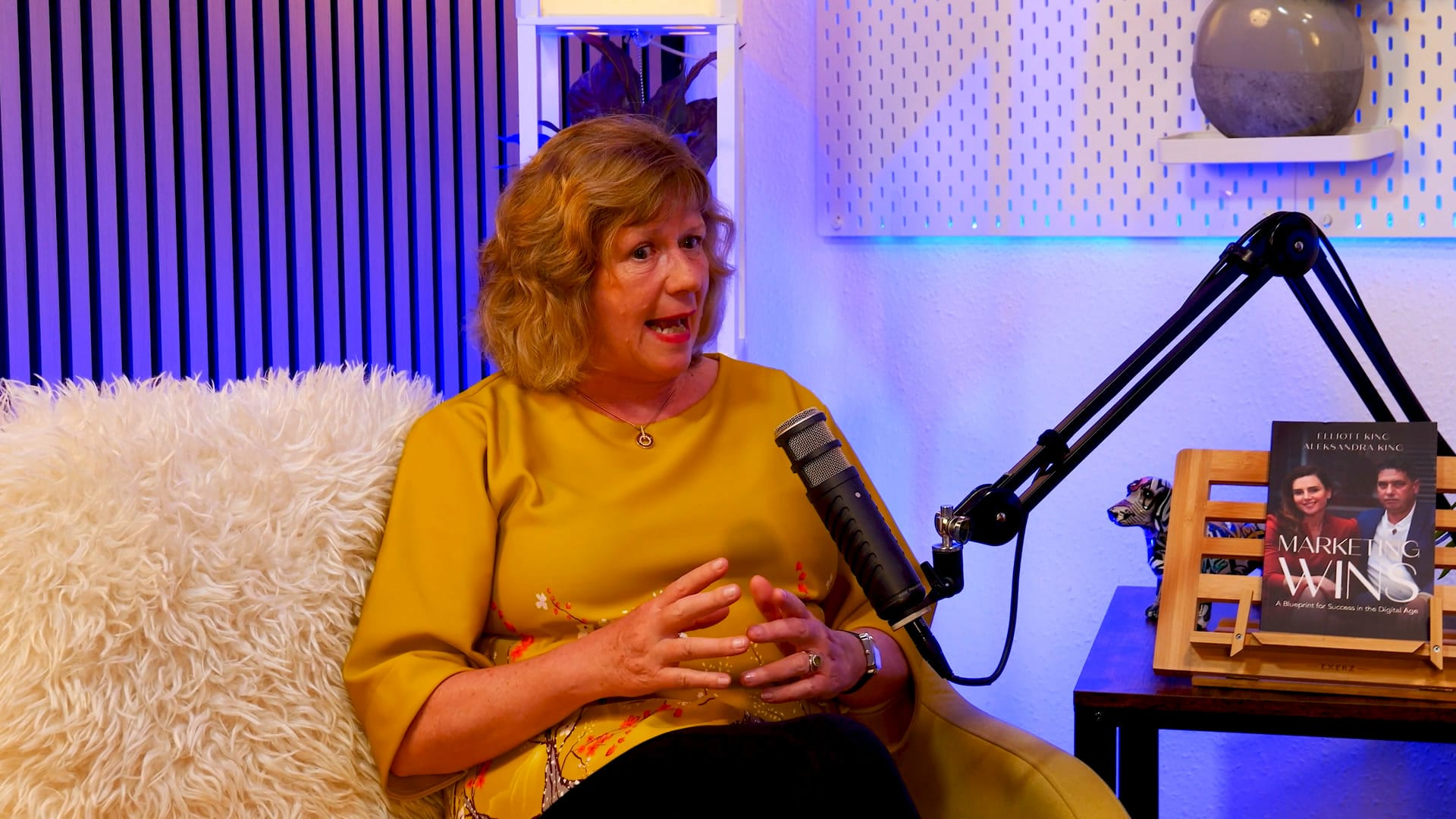
Sue Stockdale is a polar explorer, executive coach and author, the first British woman to ski to the Magnetic North Pole and co-founder of the podcast Access to Inspiration. On The BEYOND Podcast she tells Aleksandra King how she got there with no Arctic experience at all, by following one simple rule: take the next small step and see what happens. You can watch the full conversation with Sue Stockdale here. Her story runs from a teenage loss in Edinburgh to a month on the frozen Arctic Ocean and beyond.
Sue Stockdale at a Glance
- Who she is: a polar explorer, keynote speaker, executive coach and author, and the first British woman to ski to the Magnetic North Pole (full guest profile).
- Her background: grew up in Edinburgh, went to work at 16, represented Scotland in athletics at 3,000 metres and cross country, and spent 12 years with one employer before the Arctic.
- What she is known for: the 1996 Magnetic North Pole expedition, later expeditions to Antarctica and across Greenland, and her work coaching leaders.
- Her core idea: break anything that seems impossible down into the next small step.
Every Minute, Purposefully
The first dramatic thing in Sue's life happened when she was 14. "My mother sadly died when I was 14," she tells Aleksandra. "As a teenager, that really makes you grow up fast." She took on responsibility, and she took on a conviction that never left her: if her life was going to be fulfilling, however long or short it turned out to be, "I better use every minute of it purposefully."
As a child she had loved Enid Blyton's Secret Seven and Famous Five, and she wanted to translate those adventure stories into real life. Aleksandra hears in it something she meets often on the show: a loss reframed into a reason to live fully.
Sue left school at 16 for a job, even though she had the grades for university, because she was curious about the world of work. In that job she saw an advert for Raleigh International, a charity expedition, and in 1988, aged 22, she found herself in Kenya plastering walls, building a school and trekking with camels. "My sense of what's possible suddenly just grew enormously," she says. It gave her the confidence to walk into her employer's office and ask to move from finance into the training department, where she helped managers and leaders develop.
"Are You Man Enough?"
Then she saw another newspaper advert. It asked for ten Arctic novice explorers to ski 350 miles to the Magnetic North Pole, roughly the distance from London to Edinburgh. When the brochure arrived, it asked: "Are you man enough for the ultimate challenge?" Every picture in it was of a man. "How dare they think only men can do this," Sue remembers thinking.
She had never done cross-country skiing, and she had no idea whether she could do it. What she did have was a method: "Just take the next small step and see what happens." She applied. Selection ran from August to January and included a 28-mile hike, the military assault course at Sandhurst and psychometric tests. What the organisers wanted most was people who could work in a team, because some of the strongest individuals did not look out for anyone else. Sue sums it up in a line any manager could pin above their desk: "You don't want high-performing individuals. You want high-performing teammates."
She won her place in January, with £15,000 to raise before April. Birds Eye sponsored her, partly because the BBC was filming and partly because she could become the first British woman to get there.
Thirty Days of Silence
When the plane door opened in Resolute, in northern Canada, the cold hit her in the face. "What have I let myself in for?" she thought. The expedition, led by David Hempleman-Adams, taught its first lesson straight away: routine. Ski for an hour, stop for five minutes, repeat for the whole day. On days when an hour felt impossible, Sue shrank it further: "I'll get through the next 5 minutes and then I'll see how I feel."
The ice looked "more like the rubble on a building site" than a flat white plain. The team skied in single file for safety, wrapped in balaclavas, hoods, goggles and masks, which made conversation almost impossible. "Can you imagine 30 days' silence in your head?" she asks.
That silence turned her attention inwards, and she noticed something important. When she doubted herself, her skiing slowed down. So she began to manage her own thoughts with positive self-talk, and then, with some amusement, found her mind drifting to food. When she tried to think about old friends instead, she found she remembered each of them by the meal they had shared. For her, the real survival kit was never the clothing. "I think what's more important is what's in your head that you need to survive," she says.
An Environment That Wants You Dead
Ten days in, blisters on her heels kept getting bigger, because nothing heals in that cold. And she came to understand that she was not there on her own. There were ten novices and four experienced people, and each of them took turns to be the motivator when someone else had a down day. "This is an environment that wants you dead," she says, which is why you rely on each other. Aleksandra asks whether she thought she could die. "What's the worst that can happen on this expedition? That we don't come back. And I was prepared to accept that."
After 30 days of the same white, the same food and the same routine, they reached the Pole, and Sue is honest that it was "a bit of an anticlimax". There is no monument, only frozen sea ice that drifts, so the Pole you stand on today is somewhere else in a few hours. What mattered, she realised, was the journey and the camaraderie, and they were all a little sad when the Twin Otter plane came to take them back to the real world.
The Only Person Who Can Help You Is You
Back home, Sue sat back and waited to be famous. "That lasted 5 minutes, and then you're old news," she says. After three months the confidence she had felt at the North Pole had drained away. Then she gave herself a talking-to: "you know, Sue, the only person that's going to help you is you." She turned her attention outwards, rang Raleigh International, and within three weeks was on her way to southern Chile as deputy expedition leader for 120 young people.
From there came Antarctica. A newspaper cutting from her sister led her to Robert Swan's UNESCO expedition, which took 35 young people from 25 countries, many from places in conflict, to experience Antarctica first-hand. Sue joined the leadership team. Inspired by Swan, she decided her Arctic photographs should not sit in a private album, and she set up in business as a motivational speaker to help others "get to their North Pole in life and in work".
The hardest lesson came later, in a tent in Greenland, where Sue had to admit a weakness and accept help from a team-mate. That story, and the playbook she built from it, is in Sue Stockdale's case for asking for help.
Frequently Asked Questions
Who is Sue Stockdale? Sue Stockdale is a British polar explorer, keynote speaker, executive coach and author who in 1996 became the first British woman to ski to the Magnetic North Pole. She also co-founded the podcast Access to Inspiration.
How does Sue Stockdale keep going when a goal feels impossible? She breaks it down into the next small step. On the Arctic expedition, when an hour of skiing felt insurmountable, she told herself: "I'll get through the next 5 minutes and then I'll see how I feel." She explains the method in her episode of The BEYOND Podcast.
What did the Arctic silence teach Sue Stockdale? That what you tell yourself affects how you perform. She noticed that doubting herself slowed her skiing, so she learned to notice her thinking and replace it with positive self-talk.
Actionable Takeaways for Ambitious Professionals
- Shrink the next step until you can take it. When the whole goal feels impossible, commit only to the next five minutes, then decide again.
- Listen to your own commentary. Notice the story running in your head when things get hard, because it is quietly setting your pace.
- Pick team-mates, not stars. When the stakes are high, choose people who will look out for others over people who only shine on their own.
Listen to the full conversation with Sue Stockdale on the Aleksandra King YouTube Channel, and browse more episodes of The BEYOND Podcast in the episodes archive. For another story of survival in the world's most extreme places, read how Alex Staniforth survived Everest's two deadliest disasters and outgrew the mountain.
Get the next insight first
Follow the show and the ideas keep coming.