
Blog · 14 October 2026
“Asking for Help Is a Strength”: Sue Stockdale's Polar Playbook for Leaders Who Think They Have to Carry the Load Alone
Polar explorer and executive coach Sue Stockdale on why asking for help is a strength, and how a heavy sledge in Greenland taught her to accept it.
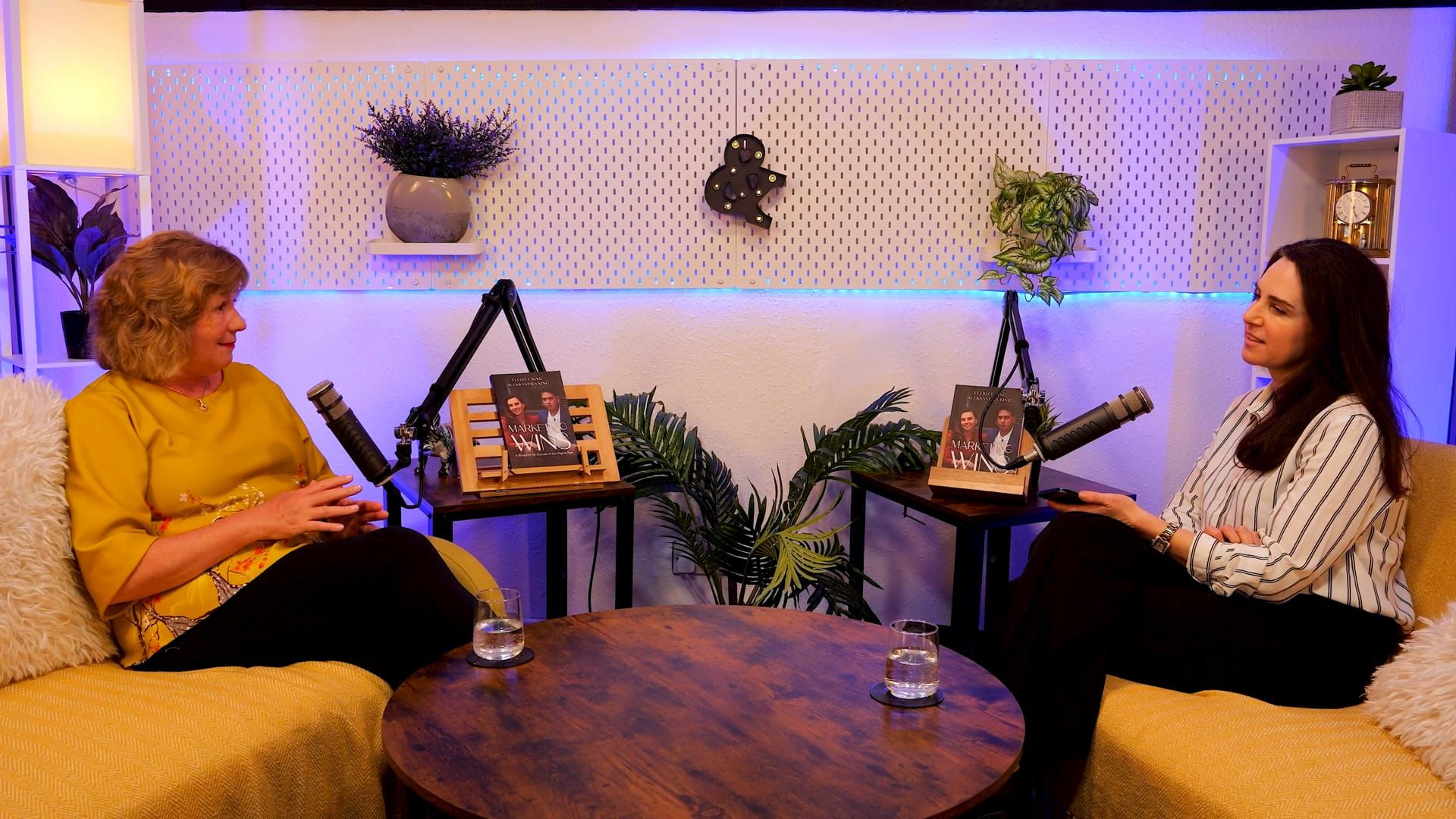
The most dangerous person on any team is not the weakest one. It is the one who would rather struggle in silence than admit they need help. Sue Stockdale has been that person, on the Greenland ice cap, dragging a sledge she could not keep up with, and she now spends her working life teaching leaders not to repeat her mistake.
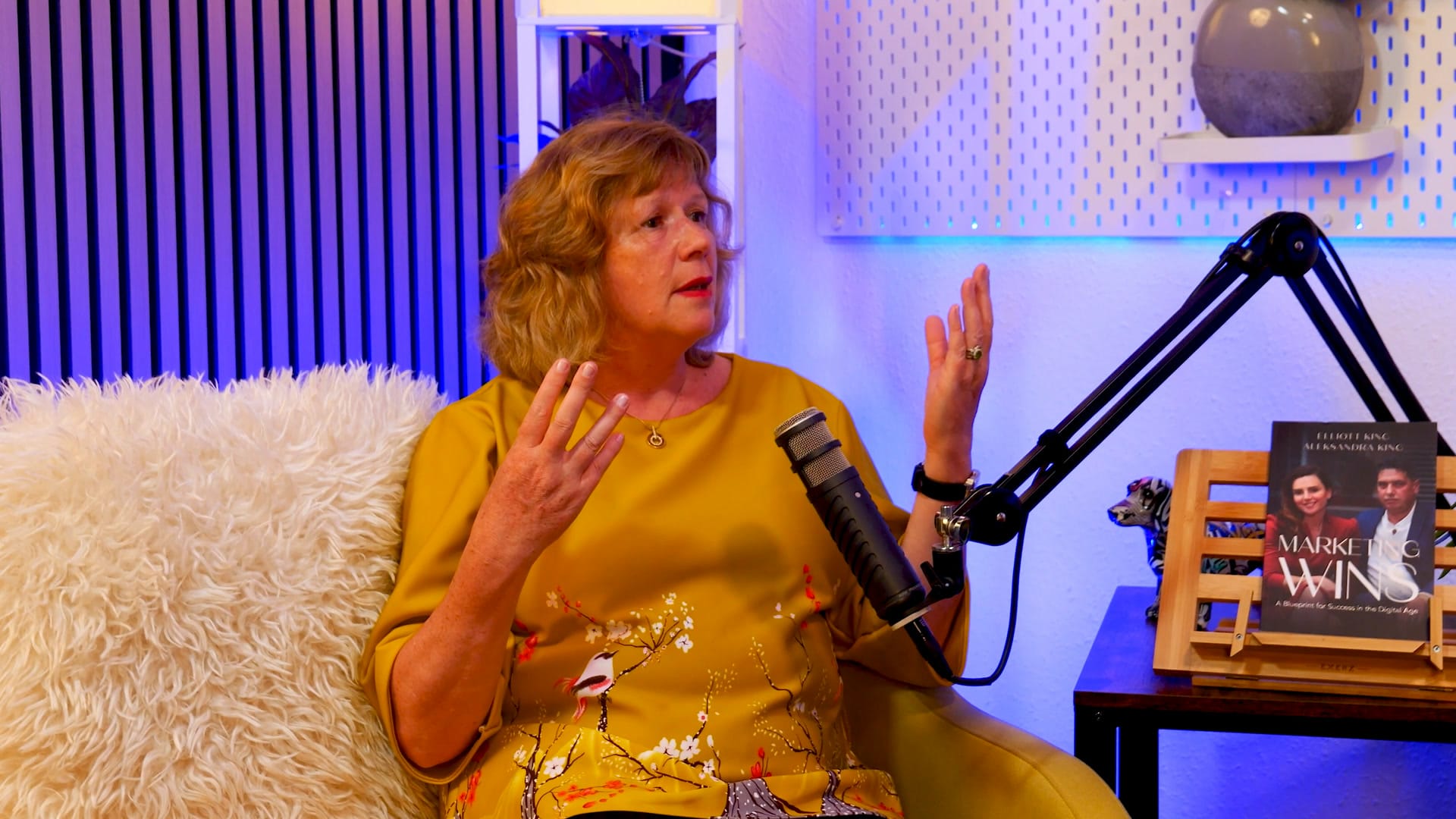
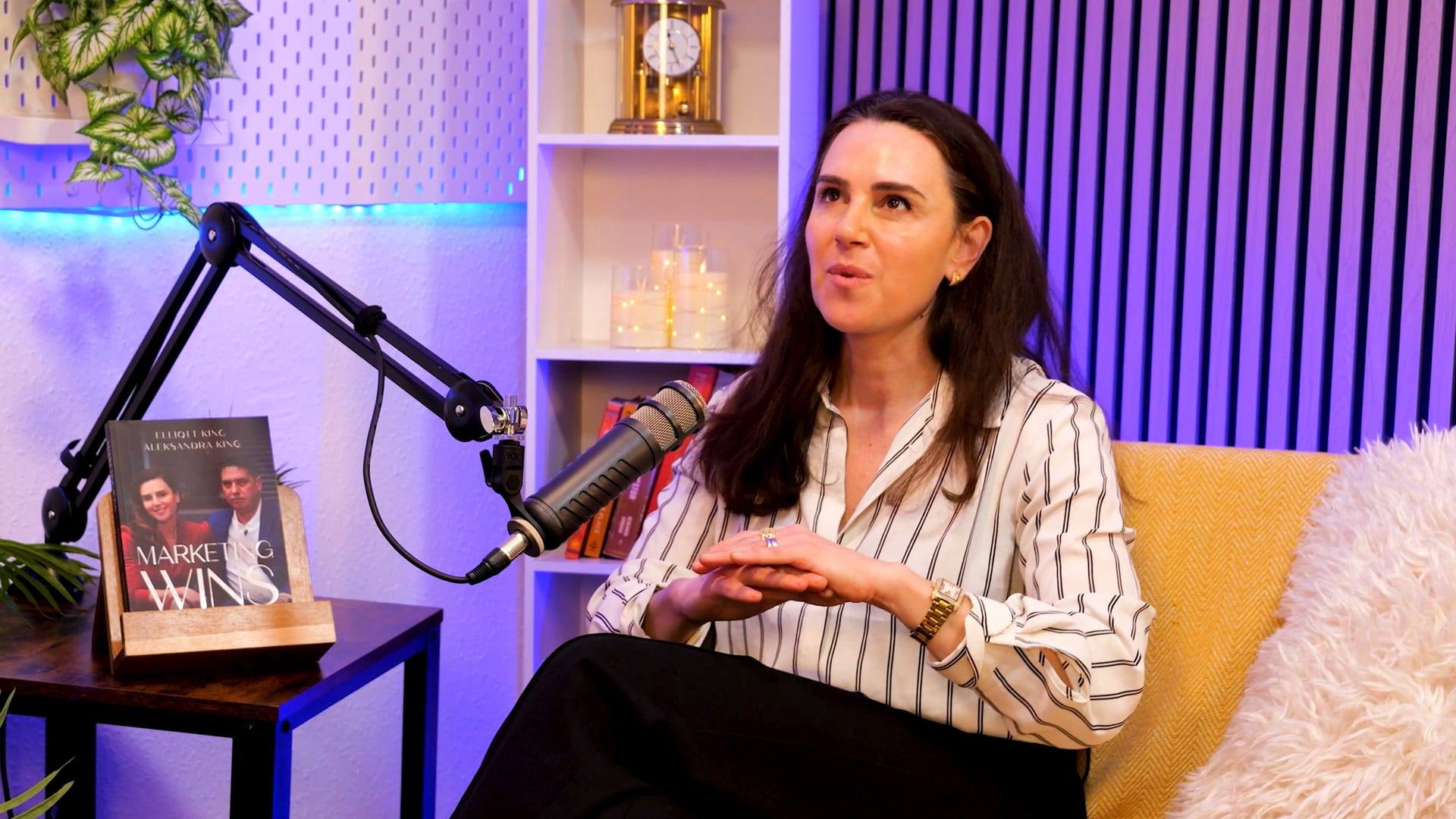
Sue Stockdale is a polar explorer, keynote speaker and executive coach, and the first British woman to ski to the Magnetic North Pole. On The BEYOND Podcast she tells Aleksandra King why she believes "asking for help is a strength", and what it took for her to believe it. You can watch the full episode with Sue Stockdale here. Through her work at suestockdale.com she helps leaders navigate uncertainty, and her lessons come straight from places where getting teamwork wrong has real consequences.
High-Performing Teammates
Sue's first lesson about teams came before she ever set foot on the ice. Selection for the 1996 Magnetic North Pole expedition involved a 28-mile hike, the assault course at Sandhurst and psychometric tests, but what the organisers were really looking for was the ability to work in a team. Some candidates excelled in every individual test and still did not make it, because they did not look out for anyone else.
Her explanation is blunt. "When you're out in a place like the Arctic that wants you dead, you need to know that your teammates are going to rely on you and you are going to rely on them." The conclusion follows: "you don't want high-performing individuals. You want high-performing teammates." For a business leader hiring a team, it is a useful test. Brilliance that does not travel to the people around it is a risk.
Why Pride Gets in the Way
Sue believes most of us have more support around us than we ever realise. "Often in life when we're trying new things, we think, 'Oh, nobody will be there to help me.' Well, maybe we've never asked." Aleksandra pushes back. She sees plenty of people who could ask but will not, because of pride and the instinct to do it themselves.
Sue's answer is that the reluctance comes from treating help as a weakness. "I see that asking for help is a strength," she says, and she explains it by turning the situation around. When someone asks her for help, she feels honoured "that they have valued me enough to want my help". She feels good giving it, and afterwards she has a vested interest in their success. In her words, "now there's two sort of sets of energy helping them forward." Asking is not taking something from people. It is giving them a stake.
The Sledge in Greenland
The story that proves the point is one where Sue failed the test herself. On a later expedition across Greenland, she was one of four, with two Norwegians and a German, and she was the most experienced in polar conditions. She thought of herself, as she admits, as someone who knew it all. Then the others started skiing much faster than she could, and she grew annoyed. "Don't they know I'm the expert here?"
Nobody said anything about it. They ended each day together in one tent in silence, with tension building and nowhere to escape. Sue points out that at work you could go home and complain to your partner or friends and come back the next day with some distance. "In the Arctic, four of us together, there is no respite," she says, so the issue had to be addressed. The catalyst came when the fittest member of the team strained a muscle in his leg. Her first reaction was relief that he would have to slow down, which she now calls "a very selfish perspective".
The reality she did not want to face was that she had a weakness. "I couldn't take a quarter share of the weight of the equipment and ski at the same speed as everybody else." When the team finally sat down to talk, the man with the strain made the obvious offer: take some of the weight from her sledge, which would free her up and slow him down to a more even pace. Sue's reflex was to refuse. "No, I'm fine," she told herself. "I can do it." It took a few moments for the better question to arrive: "what's not to like about a lighter sledge?"
Courage, Humility and the Whole Team
When she accepted, Sue felt "a lightness" and "a freedom". She had stopped making the expedition about herself: "I'm helping the entire team to succeed. It's not just about me." The lesson has stayed with her ever since: "there's no shame in having weaknesses". Letting someone help you, she says, "takes courage", and "it's about having enough humility to accept we're human."
Aleksandra recognises the same pattern from business. Moving from employee to founder, she had to rely on other people for finance, technical work and more, and she describes both the worry of letting go of control and the relief of letting talented people run what they do best. Sue's advice to leaders also covers the hard conversations that make that possible. "Conflict is part of everyday life," she says, and she tells the leaders she coaches that "understanding doesn't mean acceptance": you can understand a view you do not share.
Actionable Takeaways for Leaders
- Hire for teammates, not soloists. Test for whether candidates look out for others, not only for what they can do alone.
- Treat a request for help as a gift. Asking gives the other person a stake in your success, so ask early and specifically.
- Name the weakness before it names you. If you are slowing the team, say so and take the lighter sledge.
Listen to the full conversation with Sue Stockdale on the Aleksandra King YouTube Channel. For the story of how she reached the Magnetic North Pole, read how Sue Stockdale skied to the Magnetic North Pole one small step at a time, and browse more episodes of The BEYOND Podcast in the episodes archive. For another explorer's view of risk and survival, hear Aleksandra's conversation with Alex Staniforth on surviving two Everest disasters.
Get the next insight first
Follow the show and the ideas keep coming.